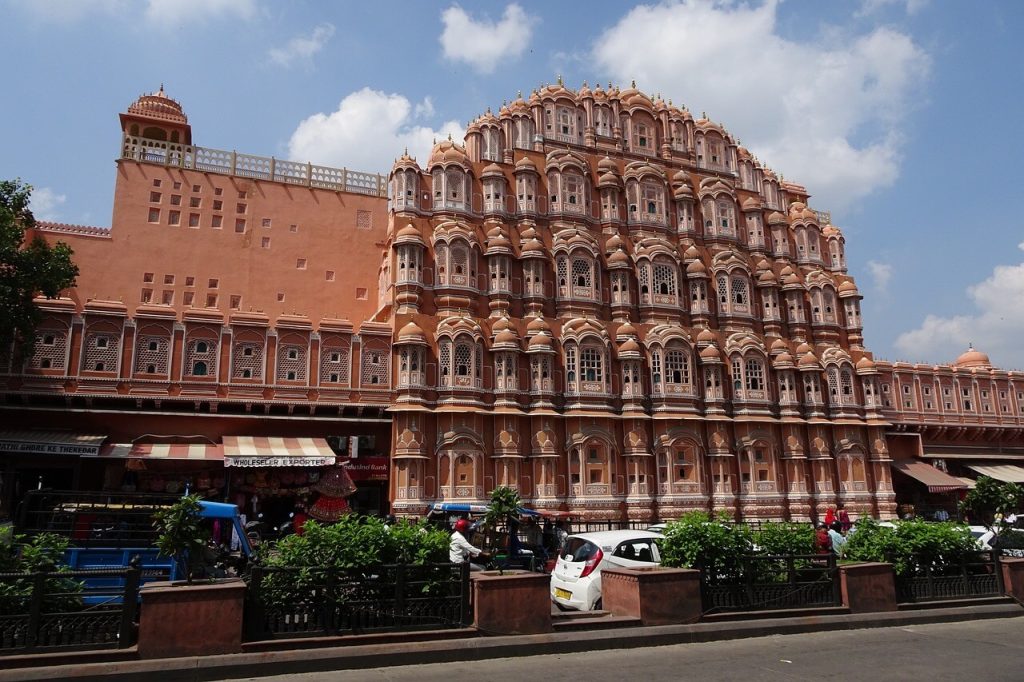
The Hawa Mahal palace, ‘Palace of Winds’, Jaipur, India
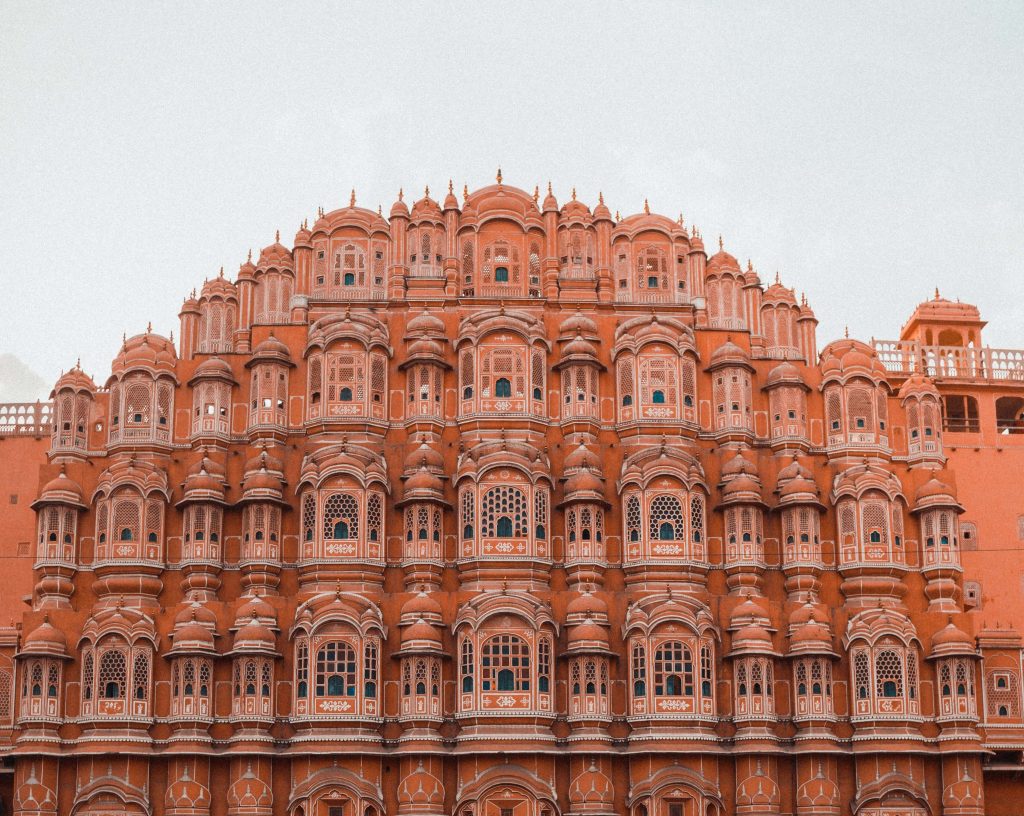
I discovered the Hawa Mahal Palace while travelling to India with my family back in February 1997. I was 12 years old.
Living in the United Arab Emirates, at the heart of the rimland, offered a fantastic window into Asia. My family and I thus used every opportunity we had to fly to Asian destinations from the Abu Dhabi International Airport.
My trip to India was a significant journey and has shaken me on many levels.
Our journey began in the New Delhi capital, with jaunts in Agra (the fourth-most populous city in Uttar Pradesh) and Jaipur (the capital and largest city of Rajasthan), a quick stay in Mumbay (India’s financial centre and most populous city, also the capital city of Maharashtra), and ended with a stay in Goa.
Among the country’s myriad architectural marvels, and besides the Taj Mahal’s magnificence, one site stood out: the Hawa Mahal palace, also known as the ‘Palace of Winds’ or ‘Palace of the Breeze’, and an emblem of Jaipur’s heritage.
Also known as the ‘Palace of Winds’ and ‘Palace of the Breeze’, the Hawa Mahal is a five-stories building dedicated to Lord Krishna that was built in 1799 in the enchanting city of Jaipur by Maharaja Sawai Pratap Singh of Jaipur – Kachwaha ruler of Rajput dynasty.
Built in 1799 by Maharaja Sawai Pratap Singh of Jaipur, Kachwaha ruler (1778–1803) of the Rajput dynasty, the five-story building is dedicated to Lord Krishna, God of Protection, Compassion, Tenderness, and Love—a major deity in Hinduism.
I remember walking through a honeycomb-like palace of reddish/pink sandstone and admiring the chambers that were once the domain of the royal women.
A glimpse into the opulence and lifestyle of the dynasty.
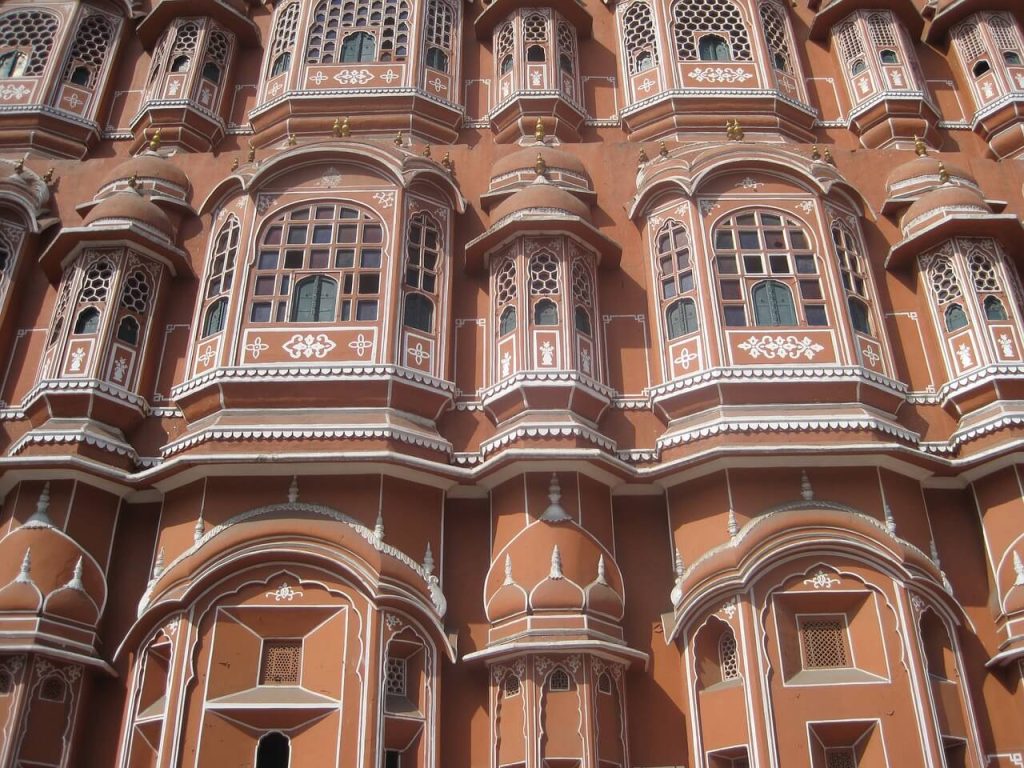
As I stop to contemplating the palace’s sumptuous stone windows overlooking the city, I recall the delicacy of the façade aircraft, and how the intricate latticework seemed embroidered in the rock.
An exquisite design intended so that the royal women of the palace may watch the street life while remaining concealed from public view, and an ingenious feature that allowed soothing winds to pass through.
An old and yet creative way of conceiving architecture.
A building with attributes that may engage dialogue with the geographical and natural features specific to its environment, and a structure that can play along with classical elements.
Given global warming, I wonder whether it might be worth considering these ancestral techniques as a new milestone when designing or adapting our buildings…