My Seven Wonders of the World
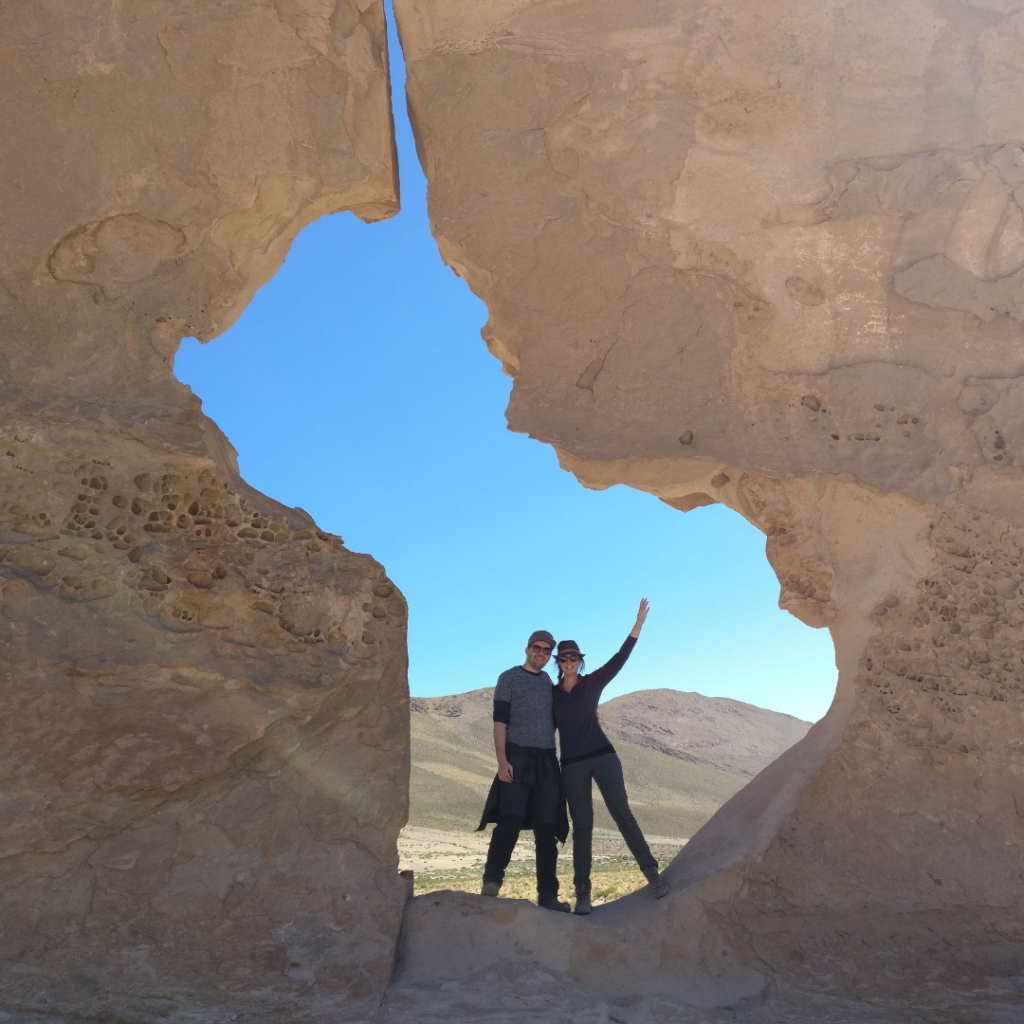
The world is filled with wondrous natural features and human-built structures I still have not had the chance to see.
I have, however, travelled worldwide, and I feel very fortunate to have witnessed some of the world’s preserved treasures.
Writing this article has allowed me to wander down memory lane and reflect on my encounters with civilizations and cultures while travelling in Asia, Africa, North America, and South America.
Below is a list of my very own Seven Wonders of the World, some of which made it to the New Seven Wonders of the World compiled 200 list, and some very personal choices of landscapes and relics of the past.
And some inspiration, should you be looking for travel ideas!
#1 The Alhambra, Granada, Andalusia, Spain
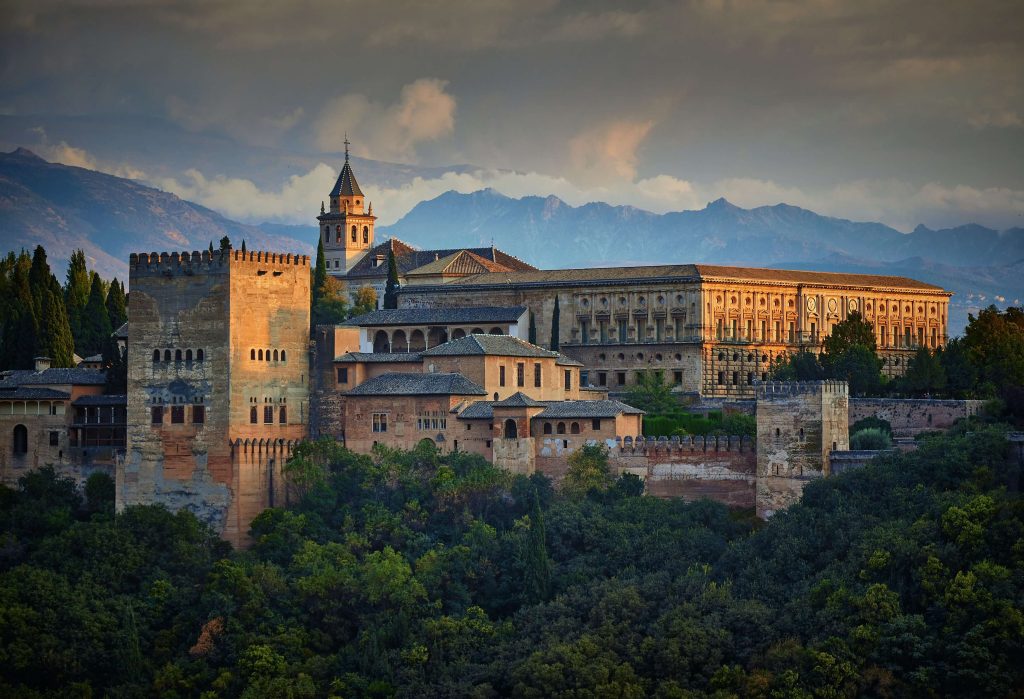
View on the Alhambra (al-ḥamrāʼ in Arabic), from the Mirador de San Nicolas, Province of Granada, Andalusia, Spain.
To me, the Alhambra is the most unique architectural treasure and exquisite wonder the world has to offer.
I first read about the ‘Golden Age’ of Al-Andalus in Spanish class. And while I do not recall the nature or author of the actual text we analysed that day, I perfectly remember being swept off my feet by the narrative of the cultural spectrum of the Umayyad dynasty of Córdoba.
The text also described the Alhambra, one of the jewels of Islamic architecture inherited by the Nasrid dynasty.
To this day, even after countless visits, wandering the Palacios Nazaríes, the summer palace enclosed within the Generalife gardens, remains my most thrilling experience.
I usually combine my summer trips to Andalusia with a weekend gateway to the astounding Royal Alcázars of Seville and the exhilarating Omeyyade Madinat al-Zahra of Córdoba surrounding the entrancing Mosque-Cathedral.
#2 The Machu Picchu, the ‘Lost City of the Incas’, Andes Mountains, Peru
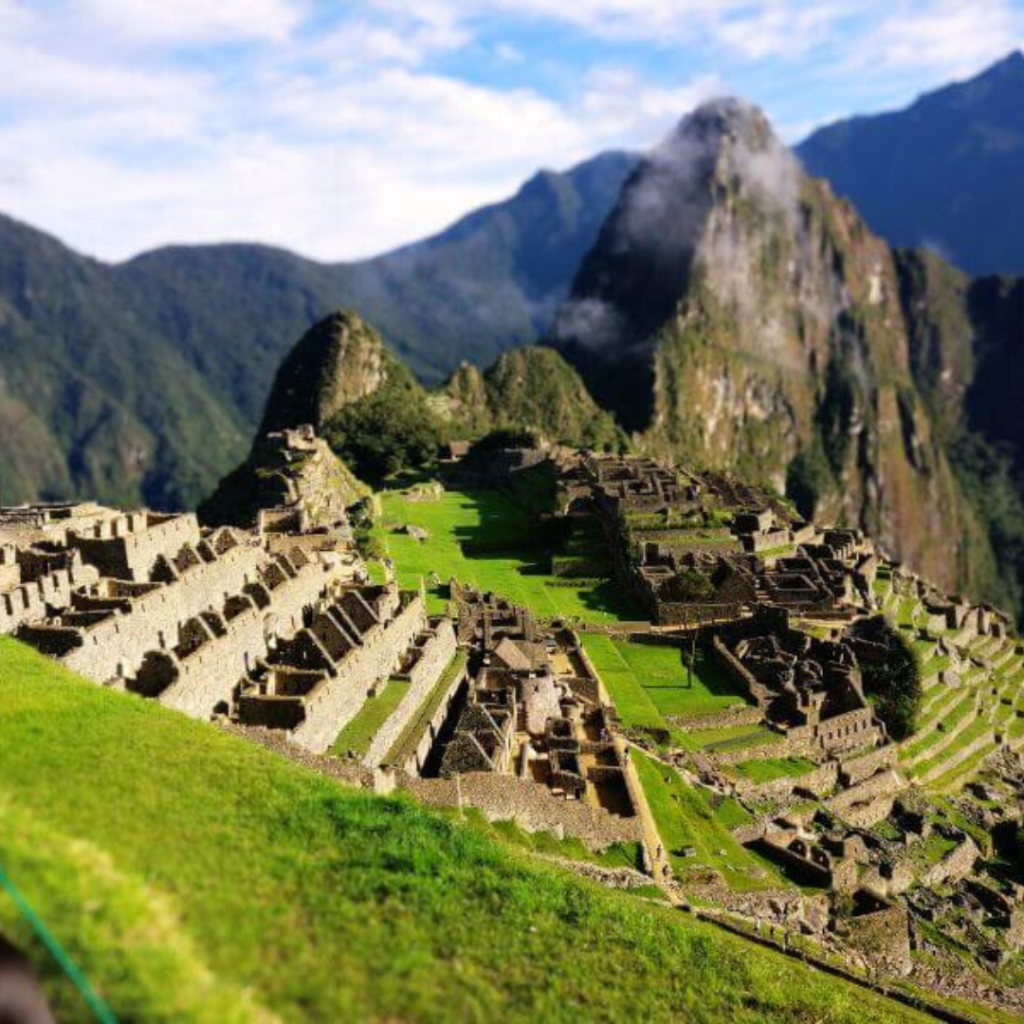
The Machu Picchu had been on my travel bucket list for years.
We planned a three-week honeymoon a year into our marriage with every intention to experience something new and go on some sort of once-in-a-lifetime adventure.
Amongst other first occurrences, this voyage involved an excursion to the high-altitude Andes Mountains. It was a life-changing experience for me.
We then flew to the Cuzco region to discover the fascinating Inca Empire capital.
The Inca citadel offers spectacular views of a natural environment, a time capsule to travel back to the 15th century, and a perspective on life.
The Inca Empire, known for its power and ingenuity, is recognized as one of the New Seven Wonders of the World.
#3 Petra, ‘the Rose City’, Jordania
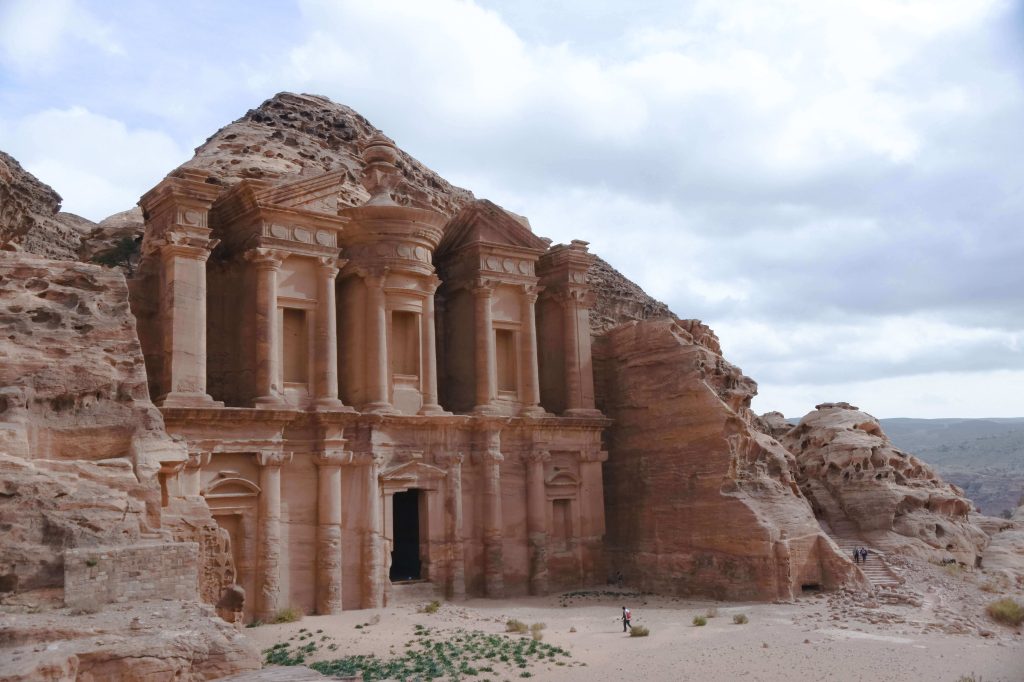
Petra, Raqmu or Raqēmō, the ‘Rose City’, capital city of the Nabataeans, UNESCO World Heritage Site, Ma’an Governorate, Jordan
There is something special about travelling to the Middle East that I did not find anywhere else.
Amidst all the wonders this cradle of civilisation has to offer, my trip to Petra in 2006 is a precious memory that I will cherish for all my life.
Ideally located between the Red Sea and the Dead Sea, Petra was established in 312 BC as the capital city of the Nabataean civilisation, and the Nabataean caravan city was an important crossroads between Arabia, Egypt, and Syria-Phoenicia.
Inhabited since prehistoric times, this UNESCO World Heritage Site is also listed as one of the New Seven Wonders of the World.
A rightful place among the most iconic innovations or achievements of mankind from across history.
I was completely bewitched by this stunning half-built and half-sculpted citadel, carved into the pink sandstone mountains.
A harsh beauty where the influences of ancient Oriental and Hellenistic architecture mingle, caressed by the desert wind.
#4 The Laguna Negra, Potosí, Bolivia
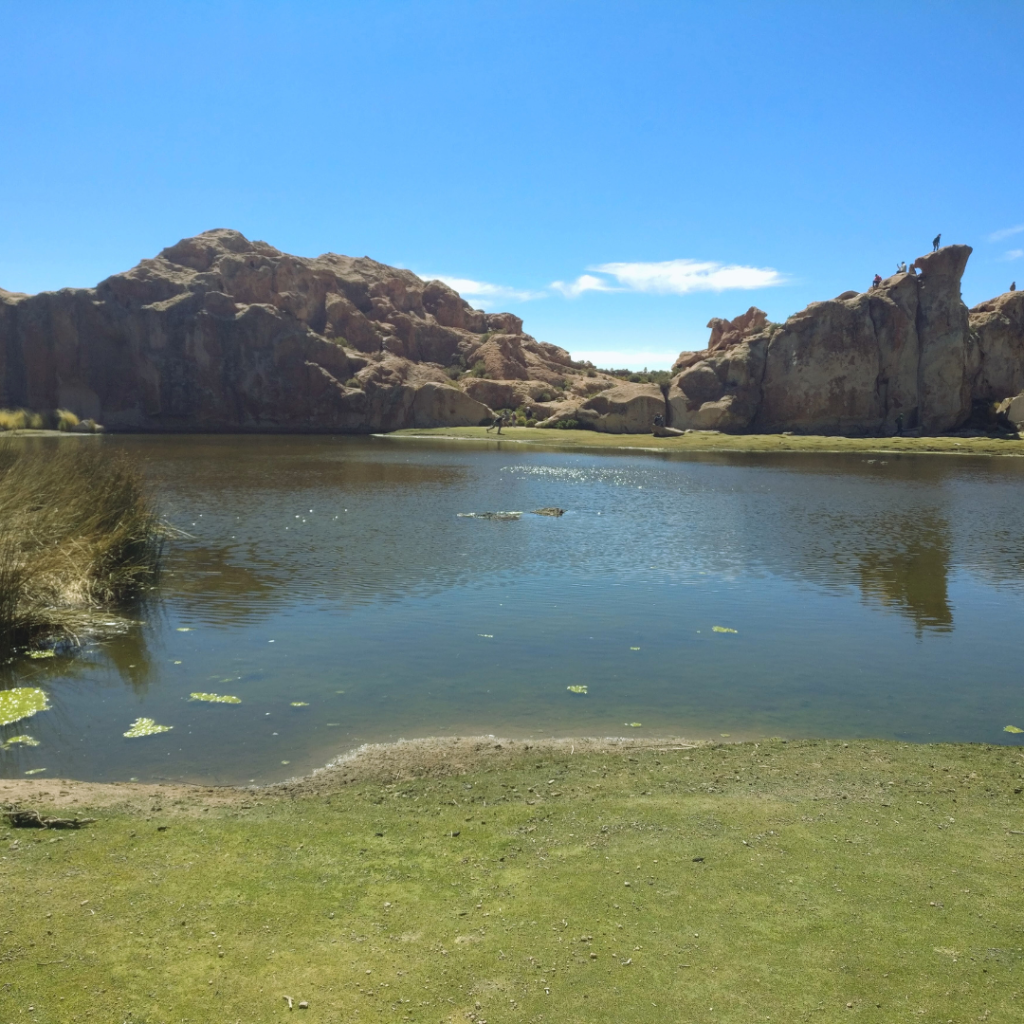
Not being acclimated to high altitudes, our 5-day road trip to the Andes Mountains was the most adventurous experience I had thus far, and the Bolivian altiplano offers spectacularly colourful lagoons and breathtakingly lunar landscapes.
However, one scenery particularly struck me with beauty: the Laguna Negra (4.100 m), Potosí, Bolivia).
The Laguna Negra was one of our last stops before we were taken to admire a breathtaking sunrise at to the world’s largest salt flats, Uyuni (3.656 m).
The Laguna Negra is a dark-toned, dark-water lagoon surrounded by massive volcanic rocks and nestled near the Valle de las Rocas.
I let myself be taken under the spell of this mysterious—almost mystical—oasis you reach by foot, wandering green expanses of greenery and moose in the middle of llamas.
A magical and peaceful landscape where you can admire the reflection of orange cliffs of petrified lava and rocks in the black waters of the lagoon, lulled by the sound of the wind.
A stunning contrast of colours.
An enchanted mirror on the Bolivian Altiplano.
A very poetic parenthesis to end our fabulous encounter with the Pachamama.
#5 The Hawa Mahal Palace, ‘Palace of Winds’, Jaipur, India
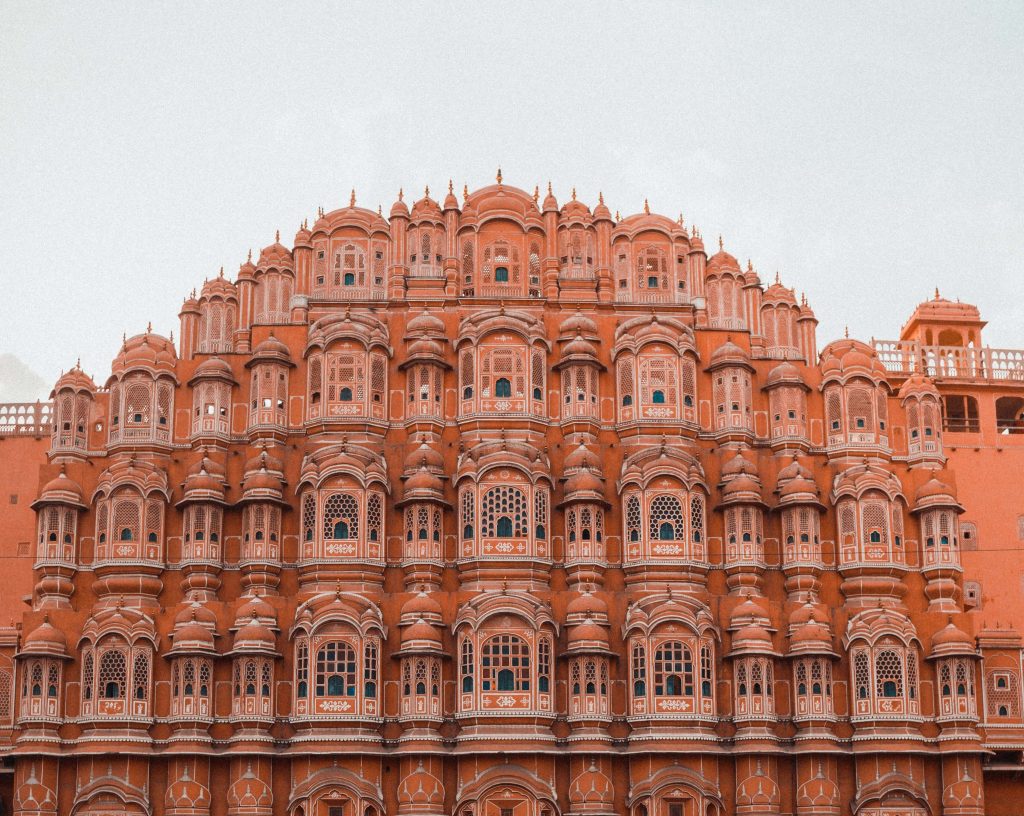
TheHawa Mahal palace, ‘Palace of Winds’ and ‘Palace of the Breeze’, Rajput dynasty, Jaipur, Rajasthan, India
I discovered the Hawa Mahal palace while travelling to India with my family back in February 1997.
This trip has shaken me on many levels.
Aside from the Taj Mahal, one site stood out for me: the Hawa Mahal, also known as the ‘Palace of Winds’ or ‘Palace of the Breeze’, and an emblem of Jaipur’s heritage.
The five-story building was built in 1799 by Maharaja Sawai Pratap Singh of Jaipur, Kachwaha ruler (1778–1803) of the Rajput dynasty, and is dedicated to Lord Krishna, God of Protection, Compassion, Tenderness, and Love—a major deity in Hinduism.
The palace offers sumptuous stone windows overlooking the city that seem to be embroidered in a honeycomb-like palace of reddish and pink sandstone.
An exquisite design intended so that the royal women within its chambers may watch the street life while remaining concealed from public view, and an ingenious feature that allowed soothing winds to pass through.
An old and yet creative way of conceiving architecture.
A building with attributes that may engage dialogue with the geographical and natural features specific to its environment and a structure that can play along with classical elements.