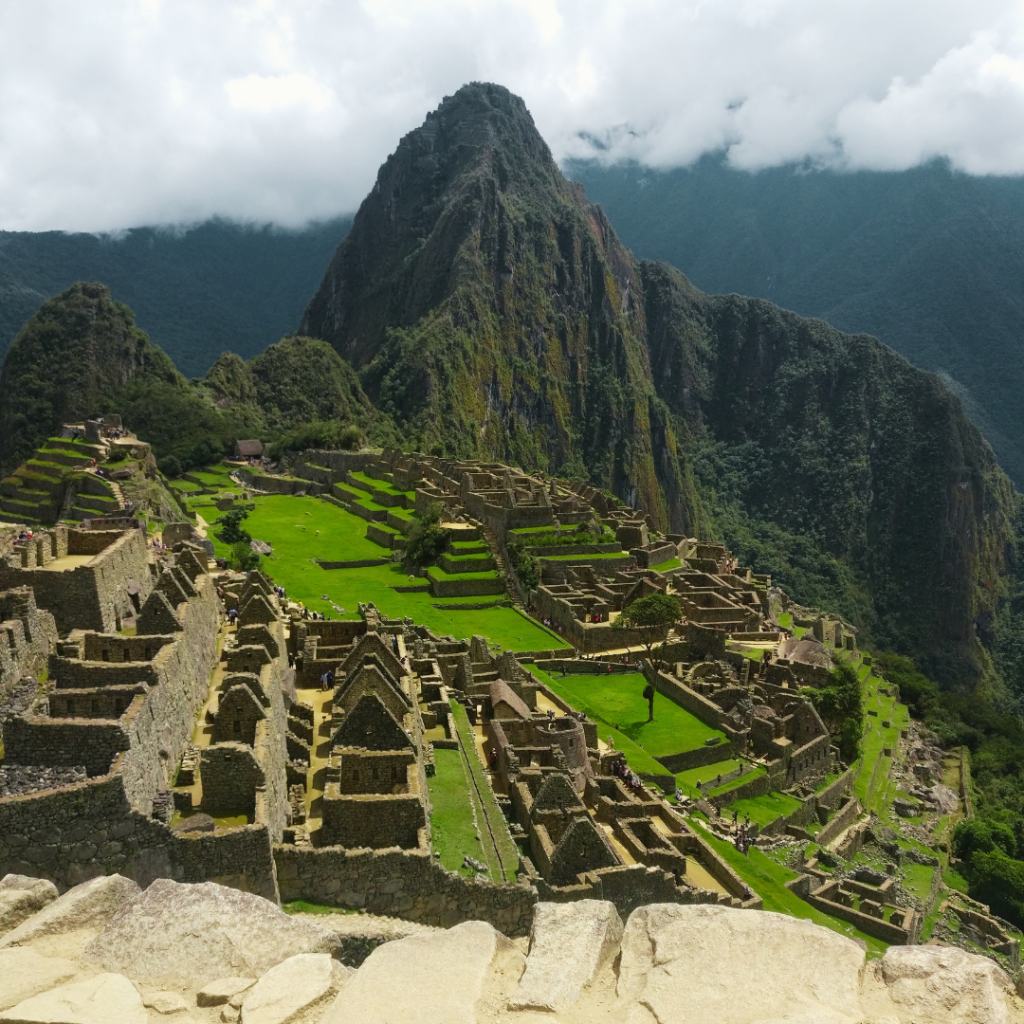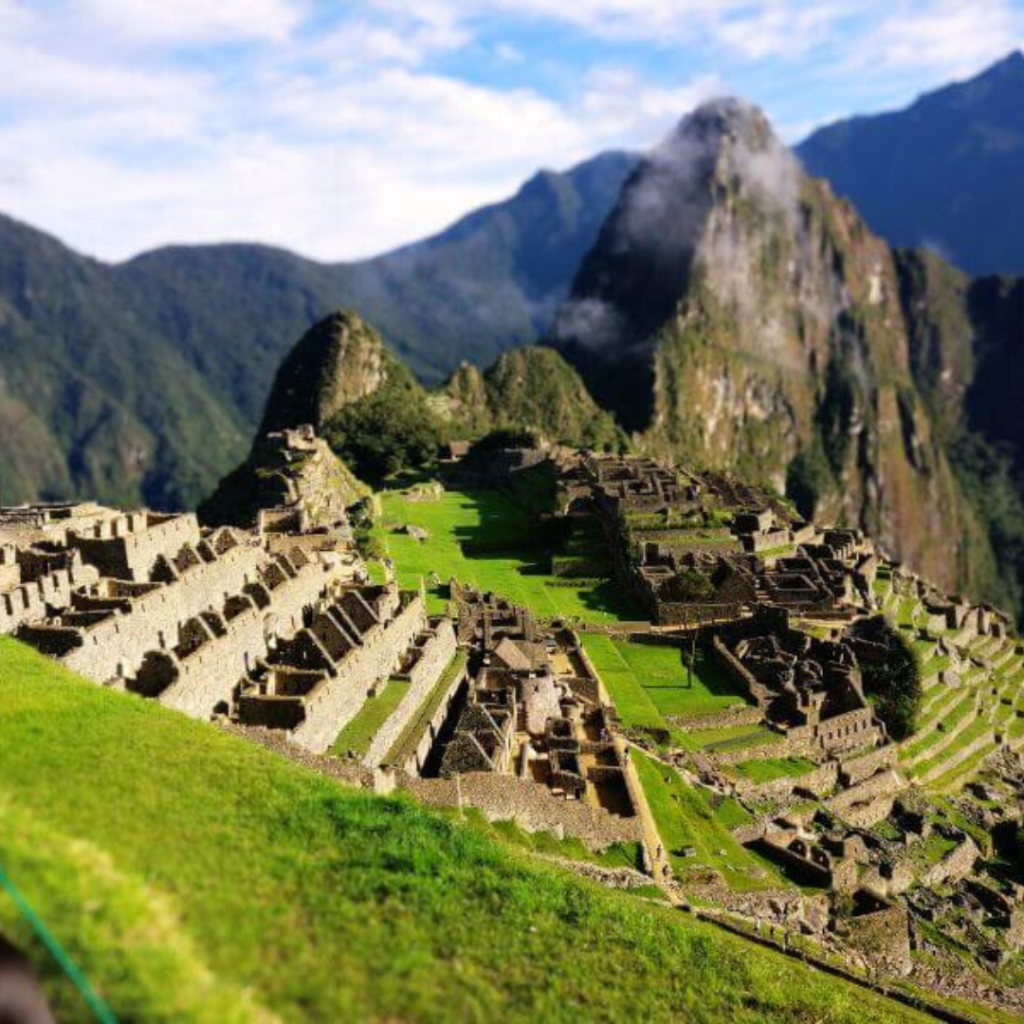
The Machu Picchu (2.430 metres above sea level) has been on my travel bucket list for years, ever since another Spanish class about the South American Andean civilizations and the pre-Columbian era before 1492.
We were fortunate to be able to plan a fantastic journey in Latin America a year into our marriage. We believed this trip was a perfect opportunity to experience something new and go on a once-in-a-lifetime adventure.
Amongst other first occurrences, this voyage involved an excursion to the high-altitude Andes Mountains, which was a life-changing experience for me.
Another memorable part of our Latin America voyage was visiting the Peruvian Historical Sanctuary of Cuzco (3.400 m), a World Heritage Site by UNESCO, and the Machu Picchu in our Latin America voyage.
The Machu Picchu is a religious, ceremonial, astronomical, and agricultural centre inherited from the Inca Empire, the Tawantinsuyu, or ‘Realm of the Four Parts’ in Quechua, the largest empire in pre-Columbian America.
The citadel is believed to have housed less than 1,000 people. It was built in the 15th century, in the middle of the Inca Empire expansion, under the command of Emperor Pachacutec, known for expanding the Inca dominion from the valley of Cusco to nearly the whole of western South America.
Rising on a steep ridge, the site is said to be the result of brilliant engineering conception: crisscrossed stone terraces ensuring good drainage while working against soil erosion, farming techniques, and agricultural innovations in a difficult environment.
We flew and spent a whole week in the Inca Empire capital, where the PeruRail took us to Aguas Calientes, on the foot of Machu Picchu.
The train trip itself was beautiful, offering spectacular views of the Andes Mountains eastern slope natural environment.
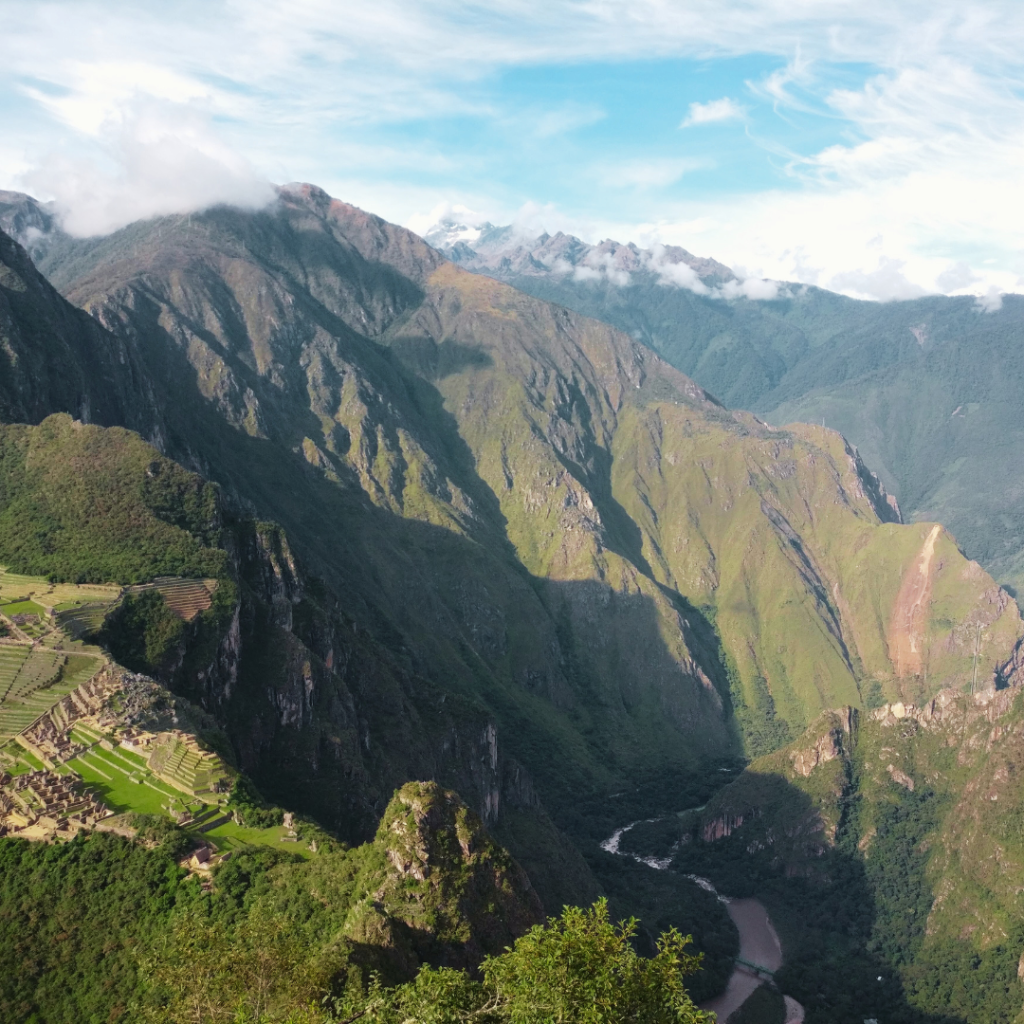
Aside from the highness and altogether relative physical undergo thanks to our prior expedition in the Bolivian altiplano, the mystical and fascinating Inca citadel offers spectacular views of a natural environment, overlooking the Sacred Valley and the Río Urubamba.
While my husband went hiking the Huayna Picchu Mountain (2.720 m), I took refuge in the middle of the dry-stone walls and gazed at the surrounding verdurous mountains and the vestiges of the past.
I remember how time stops within these remains, inviting you to contemplate life.
A time capsule to travel back to the 15th century, but also a call for perspective: here are the remains of the powerful and ingenious Inca Empire.
What will we leave behind?